
Average Cost of Crawl Space Encapsulation in Middle TN
In Middle Tennessee, a complete, professional crawl space encapsulation system costs between $8,000 and $18,000+ depending on square footage, existing mold damage, and site clearance. Smaller homes or simple vapor barrier upgrades may fall between $5,000 and $8,000, while larger homes requiring drainage systems and floor joist repairs can exceed $20,000.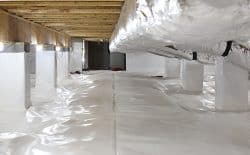
A true commercial-grade encapsulation system includes four core elements:
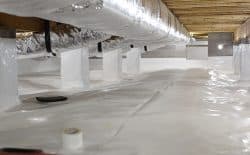
- Heavy-Duty Vapor Barrier: A 12-mil to 20-mil reinforced virgin polyethylene liner sealed along the ground, piers, and foundation walls.
- Airtight Vent Covers & Access Doors: Thermal covers that lock out humid summer outdoor air and freezing winter drafts.
- Commercial Dehumidification: A dedicated, self-draining low-temperature dehumidifier designed to maintain sub-55% relative humidity year-round.
- Water Management System (If Needed): Interior perimeter French drains and a dual-battery backup sump pump to handle active groundwater seepage.
The Real ROI: How Encapsulation Pays for Itself
Unlike cosmetic kitchen remodels, encapsulating your crawl space yields immediate operational savings and prevents catastrophic structural damage. Here is how your investment pays back over time:
1. Up to 15%–25% Lower Energy Bills
Thanks to physics and the Stack Effect, up to 50% of the air inside your living room originates in your crawl space. In open-vented crawl spaces, hot, muggy summer air rises directly into your home, forcing your air conditioner to work double-time. Sealing the crawl space stabilizes foundation temperatures, lowering monthly utility costs significantly.
2. Prevention of Floor Joist Rot & Wood Decontamination
Sub-floor structural timber begins to rot and support wood-destroying fungi when relative humidity consistently stays above 70%. Replacing rotted floor joists, main beams, and subfloors can easily cost $10,000 to $25,000 in heavy repair bills. Encapsulation permanently halts wood decay.
3. Protecting Home Value & Buyer Inspections
Franklin’s real estate market is notoriously thorough. Active mold growth, damp insulation, or sagging floors under a house are top deal-killers during buyer home inspections. Encapsulated crawl spaces with transferable warranties stand out as premium selling features that protect home equity.
Value Comparison Table
| Cost / Benefit Factor | Standard Vented Crawl Space | Fully Encapsulated Crawl Space |
|---|---|---|
| Energy Efficiency | High HVAC workload & energy loss | 15%–25% reduction in cooling/heating costs |
| Floor Structure Longevity | High risk of rot, mold & sagging floor joists | Permanently dry wood structure; zero decay |
| Indoor Air Quality | Damp, allergen-heavy air pulled upstairs | Clean, filtered, low-humidity indoor air |
| Resale Value Impact | Frequent buyer credit requests or cancelled deals | Strong selling point with transferable warranty |
Key Factors That Influence Your Estimate
- Crawl Space Size & Height: Low-clearance "belly crawler" spaces increase labor time and installation complexity.
- Existing Mold or Pest Infestations: Pre-existing mold requires professional soda-blasting or antimicrobial treatment prior to membrane sealing.
- Standing Water Removal: Homes built along Franklin's clay hillsides often require active perimeter sump pumps and drainage channels.
Frequently Asked Questions
How long does a crawl space encapsulation system last?
A professionally installed system utilizing heavy 20-mil reinforced barriers, mechanical fasteners, and commercial-grade dehumidifiers can easily last 20+ years with simple annual dehumidifier filter replacements.
Will encapsulating my crawl space get rid of musty indoor odors?
Yes. Musty odors are caused by active mold growth and damp soil gases. Once the crawl space is completely sealed from ground moisture and dried by a dehumidifier, odors vanish from both the subfloor and living spaces within days.
Can I encapsulate my crawl space myself to save money?
While thin plastic sheeting can be laid DIY, proper encapsulation requires airtight vent sealing, precise wall flashing, mold treatment, electrical wiring, and specialized drainage systems. Poorly executed DIY attempts can trap moisture against framing timbers, accelerating wood rot.