
How Long Does Foundation Repair Really Last?
Updated July 2026
If you're dealing with foundation problems, one of the first questions that probably comes to mind is simple: how long does foundation repair last?
The honest answer is that it depends on the type of repair. Some quick fixes may only last three to five years, while the right structural repair can last decades or even the lifetime of your home.
The difference usually comes down to three things:
- the repair method used
- the cause of the foundation problem
- the quality of the installation
At Foundation Solutions Group, we see homeowners all the time who paid for a repair that didn’t last because the underlying problem was never addressed. The good news is that when foundation repair is done the right way, it can provide long-term stability and peace of mind.
In this guide, we'll break down what affects foundation repair lifespan, which repair methods last the longest, and what homeowners can do to help their repairs last as long as possible.
And if you’d like to understand the entire repair process, from inspection to installation, check out our Ultimate Guide to Foundation Repair. It breaks down every step so you know exactly what’s going on under your home.
The Short Answer: How Long Foundation Repair Can Last
Not all foundation repairs are the same. Some are temporary cosmetic fixes, while others permanently stabilize the structure of your home.
Here’s a quick look at how long common repairs typically last:
| Repair Type | Typical Lifespan |
| Crack patching | 3–5 years |
| Slab lifting (polyurethane foam) | Long-term / permanent |
| Push piers | Decades to lifetime |
| Helical piers | Decades to lifetime |
"*" indicates required fields

The key takeaway is that structural repairs designed to stabilize the foundation tend to last much longer than surface-level fixes.
At Foundation Solutions Group, we design every repair to address the root cause of the problem, not just the symptoms you can see. If your home is sinking because the soil beneath it is unstable, for example, we use deep foundation systems like helical piers that reach down to solid, load-bearing soil. Once that’s done, your foundation isn’t just “fixed” — it’s stabilized for good.
Of course, not every situation is the same. The lifespan of foundation repair depends on a few key factors:
- The type of repair method used (some are designed for temporary support, others for lifetime stability)
- The soil and moisture conditions around your home
- The quality of installation and materials
- And how well the area is maintained afterward
Next, let's look at why some repairs fail early while others last for decades.
Why Some Foundation Repairs Only Last a Few Years
Not all foundation repairs solve the real problem. In many cases, homeowners are given a quick fix that improves the appearance of the issue but doesn’t stabilize the structure underneath.
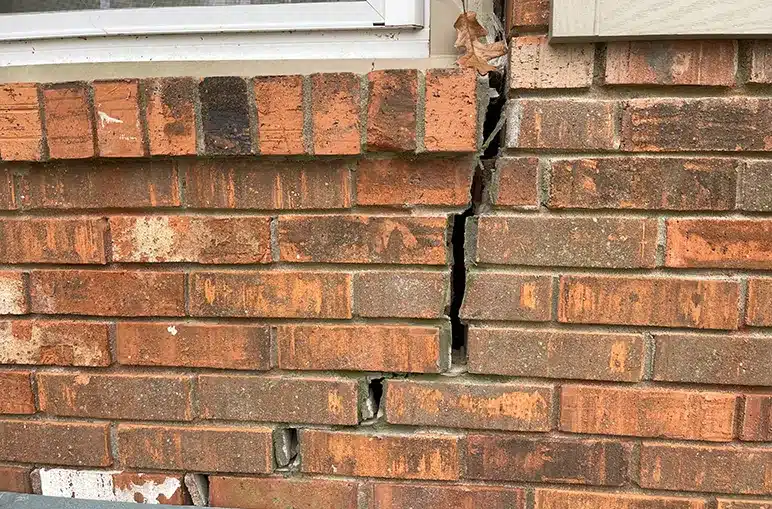
One common example is crack filling with epoxy or patching mortar. These repairs seal the crack and may stop water from getting in for a while, but they don't address the soil movement or structural settlement that caused the crack in the first place. If the foundation continues to shift, the crack will usually come back.

These types of surface repairs often last three to five years, sometimes less if the underlying foundation problem continues to worsen.
Another reason foundation repairs fail early is that the root cause of the damage wasn't identified. Foundations rarely move without a reason. Soil shrinkage, poor drainage, hydrostatic pressure, or voids under the slab can all cause movement. If the repair only treats the visible symptom instead of the source of the problem, the issue often returns.
This is why professional foundation repair focuses on stabilizing the structure and correcting the conditions that caused the damage, not just covering up cracks.
Foundation Repair Methods That Can Last Decades (or Longer)
When foundation repair is done with the right structural solution, the results can last for decades or even the lifetime of the home. These repairs work because they stabilize the structure and transfer the weight of the home to stronger, more stable soil or rock below the surface.
Two of the most reliable methods used in foundation repair are pier systems and polyurethane foam lifting.
Push Piers and Helical Piers (50+ Years or Lifetime)
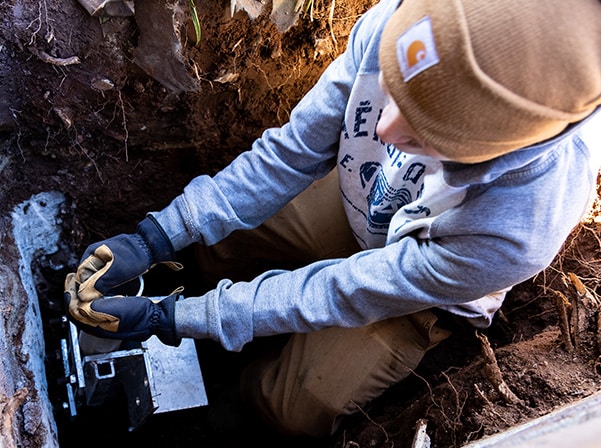
Push piers and helical piers are steel supports that are driven deep into the ground beneath the foundation. Instead of relying on unstable surface soil, these piers transfer the weight of the home to load-bearing soil layers or bedrock.
Because they anchor the structure to stable ground, pier systems are designed to provide long-term structural support. In many cases, properly installed push piers or helical piers can last the lifetime of the structure.
These systems are commonly used to stabilize homes experiencing foundation settlement, sinking foundations, or structural shifting.
Concrete Piers or Pilings (30–50 Years)
Concrete piers are another solid option, though their longevity can vary depending on soil conditions and moisture levels. Over time, expanding and contracting soil may cause some movement, but when properly installed, concrete piers can easily last several decades.
They’re ideal for homes where the soil is relatively stable and moisture control is well-managed.
Slabjacking or Mudjacking (5–10 Years)
Slabjacking, sometimes called mudjacking, is a quicker, more affordable way to lift and level a sinking concrete slab. It involves pumping a grout-like mixture beneath the slab to fill gaps and raise it back into position.
While effective in the short term, it’s not a permanent fix. Most mudjacking repairs last around 5 to 10 years, depending on soil movement and water drainage.
Polyurethane Foam Lifting
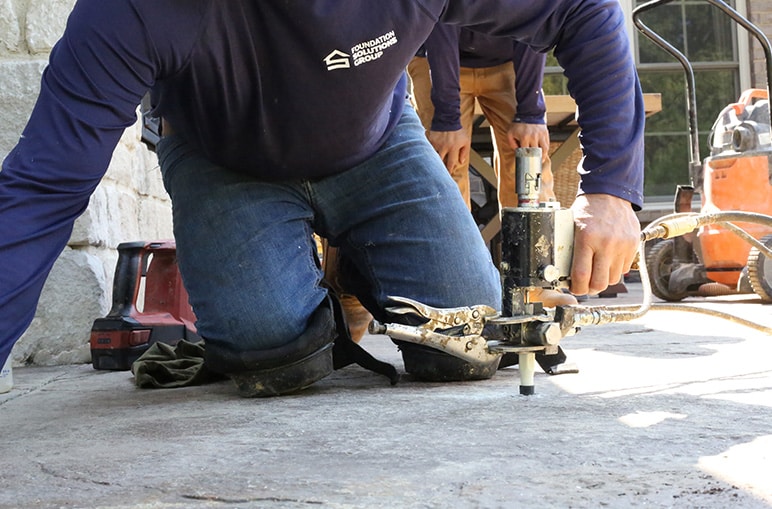
Another long-lasting solution is polyurethane foam lifting, often used for concrete slabs, sidewalks, and interior floors.
During this process, a specialized expanding foam is injected beneath the slab. The foam fills empty spaces in the soil, lifts the concrete back into place, and creates a stable base underneath.
One reason this method works so well is that polyurethane foam does not rot, break down, or wash away over time. Once it cures, it forms a strong and durable support beneath the concrete.
Because of this, polyurethane foam lifting is often considered a permanent solution for slab settlement and void filling.
Crawl Space Support: Beam or Joist Repair (20+ Years)
If your home has a crawl space and you’ve noticed sagging floors or soft spots, that’s often caused by weakened beams or joists. Reinforcing them with steel posts or adjustable supports can stabilize the floor and prevent future sagging.
These repairs can last 20 years or more, especially if the crawl space is kept dry and properly ventilated.
Factors That Affect the Longevity of a Foundation Repair
Even the best foundation repair will only last as long as the conditions around your home allow it to. The materials and installation matter, but so does what happens afterward. Here are the main factors that influence how long your foundation repair lasts and what you can do to make it last for decades.
1. Soil Type and Stability
The ground beneath your home is constantly moving, expanding when it’s wet and shrinking when it’s dry. Clay-heavy soils are especially notorious for this. If your soil isn’t properly supported or compacted, it can cause your foundation to shift over time.
That’s why methods like helical piers are designed to reach stable soil layers that won’t move with seasonal changes.
2. Moisture and Drainage
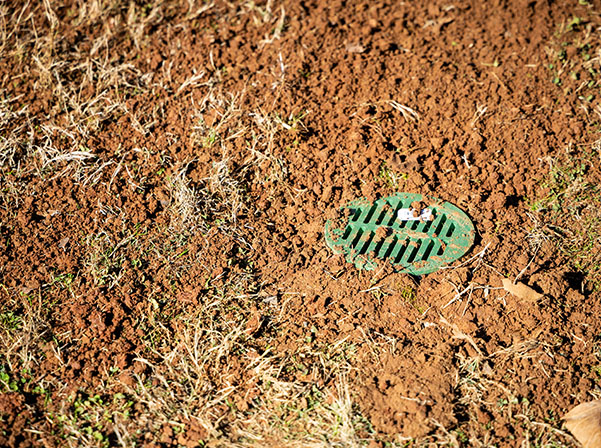
Water is one of the biggest enemies of any foundation. Poor drainage, clogged gutters, or downspouts that empty too close to your house can all lead to soil erosion and foundation settlement.
Keeping water away from your foundation with good grading, drainage systems, or a vapor barrier installation will dramatically extend the lifespan of your repair.
3. Quality of Installation and Materials
Not all repairs are equal — and neither are all contractors. A lasting foundation repair depends on the use of high-quality materials and proper installation by trained professionals. At Foundation Solutions Group, we use industry-leading equipment and proven systems that are backed by long-term warranties for peace of mind.
4. Ongoing Maintenance
Your home doesn’t stop settling after the repair. The goal is to control it. Regularly checking your gutters, managing moisture, and scheduling occasional foundation inspections can prevent new issues before they start.
Think of it as preventive care for your home’s structure. Small habits that keep your investment strong for years to come.
The Real Key to Long-Lasting Foundation Repair: Fixing the Cause
One of the biggest factors that determines how long foundation repair lasts is whether the original cause of the problem was fixed.
Foundations rarely move without a reason. In many cases, the issue starts with soil conditions, moisture changes, or water pressure building around the foundation. When these forces aren’t addressed, the foundation can continue to shift even after repairs are made.
For example, homes sometimes settle because the soil temporarily dried out during a drought. Once the soil conditions stabilize and the structure is properly supported, those repairs can last for the long haul.
However, if the real issue is something like hydrostatic pressure from water building up around the foundation, the problem will likely return unless that pressure is relieved. Water buildup, poor drainage, and constantly saturated soil can continue pushing against foundation walls and slabs over time.
That’s why professional foundation repair focuses on diagnosing the cause of foundation movement, not just repairing the visible damage. When the cause is identified and corrected, repairs are far more likely to provide long-term stability for your home.
The Importance of Choosing the Right Contractor
Even the best repair method won’t last if it isn’t installed properly. The quality of the workmanship and materials plays a huge role in how long foundation repair will hold up.
Unfortunately, many homeowners end up paying twice because the first repair was done quickly or with the wrong approach. We regularly see situations where someone tried a cheaper repair that didn’t stabilize the structure. A few years later, the same cracks, settling, or shifting show up again.

Foundation repair requires specialized equipment, proper installation techniques, and experienced crews who understand how structures behave over time. Small mistakes during installation can affect how well the repair performs years down the road.
When the right materials are used and the repair is installed correctly, the result is a strong, reliable solution designed to last for decades. That’s why it’s important to work with professionals who focus on long-term structural stability instead of temporary fixes.
How Homeowners Can Help Foundation Repairs Last Longer
After your foundation has been repaired, there are a few simple things homeowners can do to help protect that investment and keep the structure stable.
The biggest factor to watch is water around your home’s foundation. Too much moisture in the soil can create pressure against foundation walls and cause soil movement under slabs. Keeping water properly directed away from your home helps reduce the chances of future shifting.
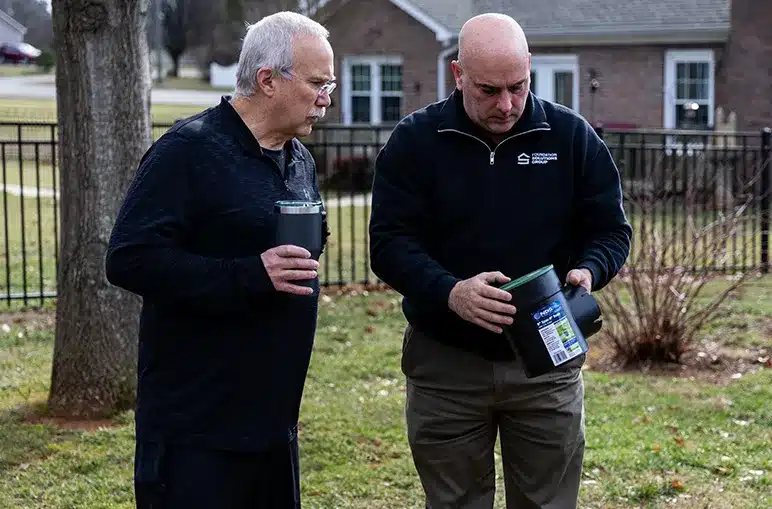
Good maintenance habits can make a big difference, including:
- Keeping gutters and downspouts clear so water drains away from the house
- Making sure the ground slopes away from the foundation instead of toward it
- Watching for new cracks or signs of movement inside or outside the home
- Scheduling inspections if anything changes
Most foundation repairs are designed to provide long-term stability, but protecting the soil conditions around your home helps ensure those repairs perform the way they’re intended to.
If you ever notice new movement, cracks widening, or doors and windows starting to stick again, it’s a good idea to have a professional take another look before the issue grows.
So, Does Foundation Repair Last Forever?
The truth is that it depends on the type of repair and how well the underlying problem was addressed. Quick cosmetic fixes may only last a few years, especially if the soil or water conditions causing the damage remain the same.
However, when structural solutions like push piers, helical piers, or polyurethane foam lifting are installed correctly and the root cause of the problem is identified, foundation repair can last decades or even the lifetime of the home.
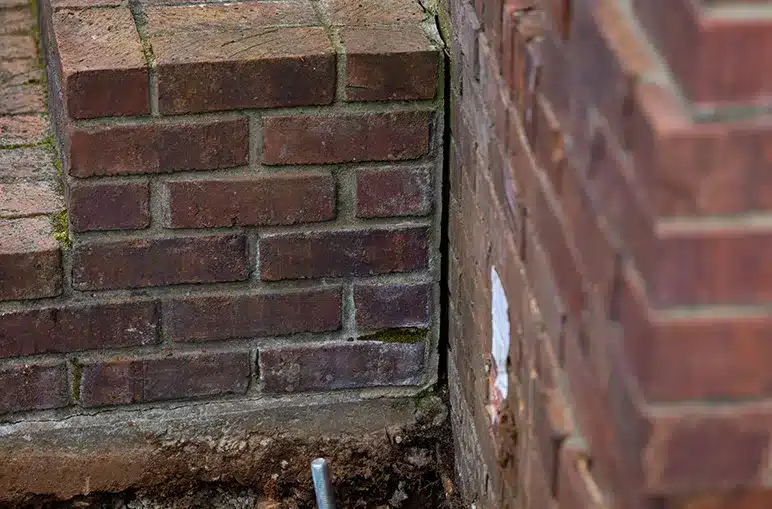
The key is making sure the repair focuses on stabilizing the structure, not just covering up visible damage.
If you’re seeing signs of foundation problems like cracks in walls, uneven floors, or doors that no longer close properly, it’s best to have a professional evaluate the issue before it gets worse.
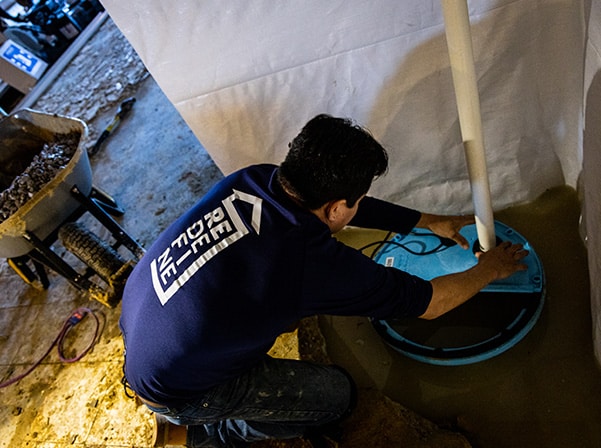
How Foundation Solutions Group Ensures Lasting Results
At Foundation Solutions Group, we don’t believe in “quick fixes.” When it comes to your home’s foundation, the only repair worth doing is one that stands the test of time. That’s why every job starts with a thorough inspection and ends with a long-term solution you can count on.
Here’s how we make sure your foundation repair lasts for decades:
- We find and fix the root cause.
Instead of patching over cracks or leveling floors temporarily, we identify what caused the movement in the first place, whether it’s soil settlement, poor drainage, or moisture intrusion. Then we address that problem directly. - We use proven, permanent repair systems.
From helical piers and beam reinforcement to crawl space support systems, we only use high-quality materials designed for permanent stabilization. These systems are backed by manufacturer and service warranties for lasting confidence. - We tailor every solution to your home.
No two foundations are the same. Our local experience means we know exactly how Tennessee and surrounding soils behave, and how to stabilize them for the long haul. - We stand behind our work.
Every repair comes with a written warranty and the assurance that if you ever have questions or concerns, we’ll be there to make it right.
Our goal is simple: help you protect your home’s safety, comfort, and value — for good.
Keep Your Home Stable for the Long Haul
Your home’s foundation is what everything else depends on. When it’s strong, everything above it stays solid, your walls, floors, and peace of mind included. The good news is that modern foundation repair methods are designed to last for decades, especially when they’re installed by experts who know what they’re doing.
At Foundation Solutions Group, our goal isn’t just to fix a problem. It’s to make sure you never have to worry about it again. Whether you need helical piers, crawl space support, or moisture control, we’ll walk you through every step so you understand exactly what’s being done and why.

If you’ve been wondering how long your foundation repair will last, or if you’re starting to notice signs of shifting or settling, don’t wait for things to get worse. Schedule your free foundation inspection today, and let’s make sure your home stays strong for the long haul.
Frequently Asked Questions About Foundation Repair Lifespan
How long should a foundation repair last?
When done right, a foundation repair can last for the lifetime of your home. High-quality systems like helical piers and steel supports are designed to permanently stabilize your foundation, even if the soil around it shifts over time.
What factors affect how long a foundation repair lasts?
Several things influence foundation repair lifespan, mainly soil type, moisture levels, and drainage. Keeping your foundation dry with proper grading, gutters, and moisture control systems can extend the life of your repair by decades.
Are all foundation repairs permanent?
Not all repairs are built to last forever. Mudjacking or surface-level fixes might hold for 5–10 years, but deeper solutions like helical piers and crawl space stabilization are considered permanent foundation repairs designed for long-term stability.
Does Foundation Solutions Group offer warranties?
Yes — all of our foundation repairs come backed by strong warranties and lasting support. If you ever have questions or notice changes after a repair, our team is here to help and make sure your foundation stays stable for years to come.
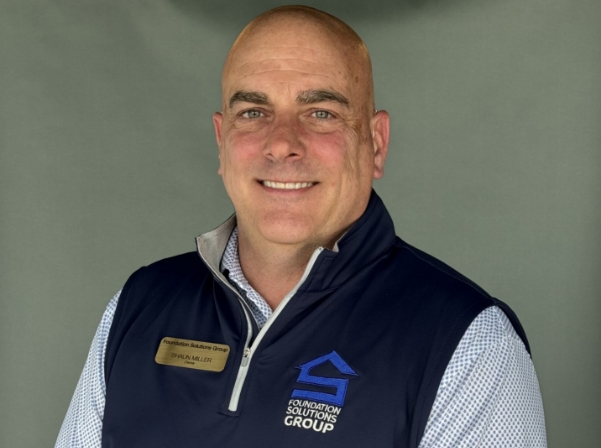
Written By Shaun Miller, Owner Foundation Solutions Group
Shaun Miller is the owner of Foundation Solutions Group, a trusted foundation repair and waterproofing company serving South Central Kentucky and Middle Tennessee. With over 20 years of experience, Shaun is committed to delivering quality craftsmanship and ensuring that every project is done right the first time, backed by the company’s “Fix-It-Forever Guarantee.” Passionate about educating homeowners, Shaun leads the company’s "Solutions University" initiative to help clients protect their homes through knowledge and preventative care. Dedicated to his community, Shaun also supports local organizations and values the trust his customers place in him.