
How Crawl Space Encapsulation Supports Healthier Air in Bowling Green, KY
By Foundation Solutions Group Editorial Team
Crawl space encapsulation helps control ground moisture and humid air beneath a home. By covering exposed soil, sealing outside openings, and managing humidity, an encapsulation system can reduce the damp conditions associated with musty odors, mold growth, and wood deterioration. Some homes may also require drainage, dehumidification, mold remediation, or structural repairs.
Why Crawl Space Moisture Matters
A crawl space may be out of sight, but its conditions can affect the rest of the home. Moisture can enter through exposed soil, foundation walls, open vents, plumbing leaks, or water intrusion after heavy rain. Once moisture accumulates, the crawl space may develop persistent humidity, condensation, musty odors, or visible microbial growth.
Air also moves between a crawl space and the living areas above it through gaps around plumbing, wiring, ductwork, and flooring. This air movement is one reason odors and excess humidity beneath the home may become noticeable indoors. Controlling moisture at its source can therefore support a more comfortable indoor environment while helping protect wood framing and other building materials.
Common warning signs include: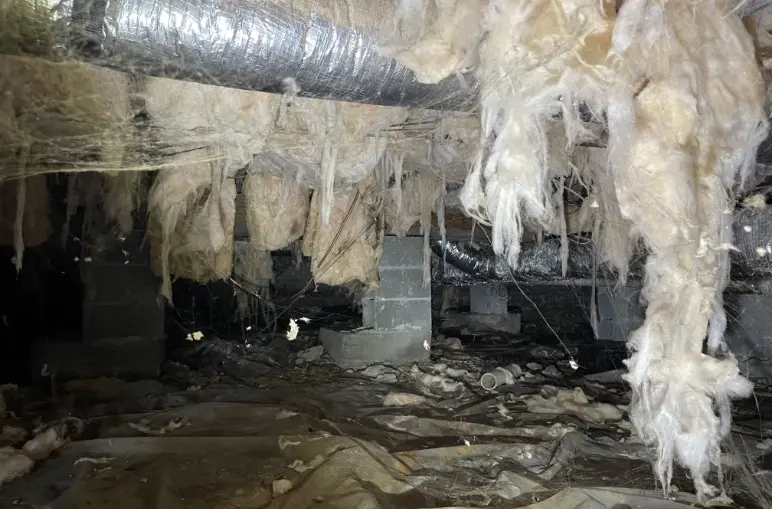
- Musty odors inside the home or near floor registers
- Condensation on ducts, pipes, or crawl space surfaces
- Standing water or consistently damp soil
- Torn, displaced, or missing ground covering
- Visible growth or staining on joists and subflooring
- Wood that appears soft, deteriorated, or discolored
- Rust or corrosion on metal components
- Elevated indoor humidity
- Floors that feel soft, uneven, bouncy, or sagging
These symptoms do not all point to the same repair. A professional evaluation is important because a moisture problem, drainage issue, plumbing leak, mold concern, and structural defect may require different solutions.
What Is Crawl Space Encapsulation?
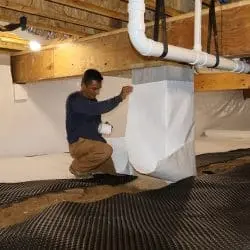
Crawl space encapsulation is a moisture-control approach that separates the space beneath a home from exposed ground and humid outdoor air. A typical system uses a durable liner across the floor and, depending on the design, may extend up walls and around piers. Seams and penetrations are sealed to limit moisture movement into the space.
The purpose is not simply to make the crawl space look cleaner. Encapsulation creates a more controlled environment in which moisture and humidity are easier to manage.
An encapsulation plan may include:
- A ground and wall liner selected for the crawl space
- Sealed seams, vents, and utility penetrations
- Drainage measures when water intrusion is present
- A sump pump when collected water needs to be removed
- A crawl space dehumidifier when humidity requires active control
- Access-door improvements to reduce outside-air entry
- Separate mold remediation or structural work when an inspection identifies those needs
Not every home needs every component. The correct design depends on where the moisture originates, how water moves around the foundation, the condition of existing materials, and whether structural damage is already present.
How Can Encapsulation Support Better Indoor Air?
Encapsulation helps by reducing two common moisture pathways: vapor rising from exposed soil and humid outdoor air entering through open vents or gaps. When those sources are controlled, the crawl space is less likely to remain chronically damp.
Lower moisture levels can help reduce the conditions that allow musty odors, mold growth, dust mites, and wood decay to develop. Because air can travel from beneath the home into occupied rooms, improving crawl space conditions may also reduce damp odors and excess humidity noticed upstairs.
This does not mean encapsulation purifies the air or guarantees the removal of mold and allergens. Existing contamination may require professional remediation, and indoor air concerns can have more than one source. HVAC problems, roof leaks, plumbing leaks, and insufficient ventilation elsewhere in the home may also contribute.
Encapsulation is best understood as one part of a broader moisture-management strategy rather than a cure for every indoor air quality concern.
What Encapsulation Does—and Does Not Do
Homeowners often encounter overlapping terms when researching crawl space solutions. Understanding the differences helps set accurate expectations.
Encapsulation controls moisture vapor and outside-air entry
The liner and sealing measures create a boundary between the crawl space and moisture sources. This can make humidity easier to maintain at an appropriate level.
Drainage manages liquid water
If water enters around foundation walls or collects beneath the home, sealing the crawl space alone may not solve the source. Interior drainage, grading improvements, downspout corrections, or a sump pump may be recommended based on the inspection.
Dehumidification manages remaining humidity
A purpose-built dehumidifier can help maintain controlled humidity after the crawl space is sealed. It is not a substitute for correcting active leaks or standing water.
Mold remediation addresses existing growth
Encapsulation can help reduce moisture conditions that contribute to future growth, but it does not automatically remove existing mold or contaminated material. Remediation may need to occur before or alongside moisture-control work.
Structural repairs address damaged or inadequate supports
Sagging or bouncy floors can result from damaged wood, inadequate support, settlement, or other structural conditions. Encapsulation may help protect repaired materials from continued moisture exposure, but it does not lift floors, replace damaged joists, or stabilize supports by itself.
If an evaluation identifies structural movement or weakened framing, the repair plan may include separate stabilization or structural work.
When Are Drainage or Structural Repairs Also Necessary?
An effective recommendation begins with the source of the problem. If the crawl space has standing water, the first priority may be controlling and removing that water. If high humidity is the primary concern, sealing and dehumidification may be central to the plan. If joists, beams, or supports have deteriorated, structural repairs may also be necessary.
Conditions that may call for additional work include:
- Water entering at the foundation perimeter
- Repeated standing water after rain
- A failed or missing sump pump
- Plumbing or HVAC condensation problems
- Visible fungal growth requiring assessment
- Rot or deterioration in wood framing
- Sagging beams, weakened joists, or inadequate supports
- Foundation movement or cracking unrelated to crawl space humidity
Treating the visible symptom without identifying the moisture source can lead to recurring problems. For example, installing a liner without addressing active water intrusion may leave water trapped beneath or around the system. Likewise, installing a dehumidifier in an open, wet crawl space may force the equipment to work continuously without correcting the underlying issue.
What Should a Crawl Space Evaluation Include?
A crawl space evaluation should determine where moisture is coming from and whether it has affected building materials or structural components. Homeowners in Bowling Green should expect the inspector to look beyond the presence of a damaged vapor barrier.
The evaluation may include:
- The condition of exposed soil and existing liners
- Signs of water intrusion, condensation, or plumbing leaks
- Foundation walls, vents, access doors, and penetrations
- Drainage conditions and any existing sump equipment
- Humidity and visible moisture patterns
- Joists, beams, piers, supports, and subflooring
- Signs of corrosion, staining, wood deterioration, or microbial growth
- Ductwork and mechanical equipment located in the crawl space
The findings should guide a repair plan tailored to the home. Some properties may need encapsulation and a dehumidifier. Others may require drainage before sealing. Homes with structural damage may need a separate repair plan in addition to moisture control.
How Much Does Crawl Space Encapsulation Cost?
There is no responsible way to price an encapsulation project without understanding the crawl space and the work required. Cost can vary based on:
- Crawl space size and accessibility
- Liner material and installation details
- Number of walls, piers, vents, and penetrations
- Existing water or drainage problems
- Need for a sump pump or dehumidifier
- Removal of damaged materials or debris
- Mold remediation requirements
- Separate structural repairs
An estimate should distinguish encapsulation from any drainage, remediation, or stabilization work. This allows the homeowner to understand which component addresses each problem and avoids presenting unrelated repairs as part of a standard encapsulation package.
Questions to Ask Before Choosing a Crawl Space Solution
Before approving work, ask the contractor:
- What is the primary source of moisture?
- Is liquid water entering the crawl space, or is humidity the main issue?
- Does the plan include drainage, sealing, and humidity control where needed?
- Are mold remediation or structural repairs separate from encapsulation?
- What materials and equipment are included?
- How will the system be inspected or maintained after installation?
- Which written warranties apply to each component of the work?
Clear answers help homeowners compare recommendations based on the actual cause of the problem rather than the number of products included.
Schedule a Crawl Space Evaluation in Bowling Green, KY
Crawl space encapsulation can help create a drier, more controlled space beneath a home, but the best solution starts with an accurate diagnosis. Foundation Solutions Group can evaluate moisture conditions, drainage needs, and visible structural concerns, then explain which services may be appropriate.
If you have noticed musty odors, high humidity, standing water, or changes in the floors above your crawl space, contact Foundation Solutions Group to request an evaluation for your Bowling Green-area home.
Frequently Asked Questions
Does crawl space encapsulation improve indoor air quality?
Encapsulation can support better indoor air conditions by reducing ground moisture and humid outside air entering the crawl space. This may help lessen dampness and musty odors that travel into the home. It does not remove every pollutant or replace remediation when mold or contaminated material is already present.
Will encapsulation fix sagging or bouncy floors?
No. Encapsulation controls moisture but does not lift floors or repair weakened structural components. Sagging or bouncy floors require an evaluation of joists, beams, piers, supports, and foundation conditions. Structural stabilization may be recommended separately.
Is a dehumidifier always included with encapsulation?
Not necessarily. A dehumidifier may be recommended when active humidity control is needed after sealing. The decision should be based on crawl space conditions, climate, drainage, and the design of the moisture-control system.
Can a crawl space be encapsulated if it has standing water?
The water source should be identified and controlled before or as part of encapsulation. Drainage improvements, a sump pump, grading corrections, or repairs to a leak may be needed so liquid water is not trapped beneath the liner.
How long does crawl space encapsulation last?
Service life depends on the liner, installation quality, crawl space conditions, maintenance, and whether drainage or mechanical components are part of the system. Homeowners should ask what is covered by the written warranty and whether periodic inspections are recommended.